
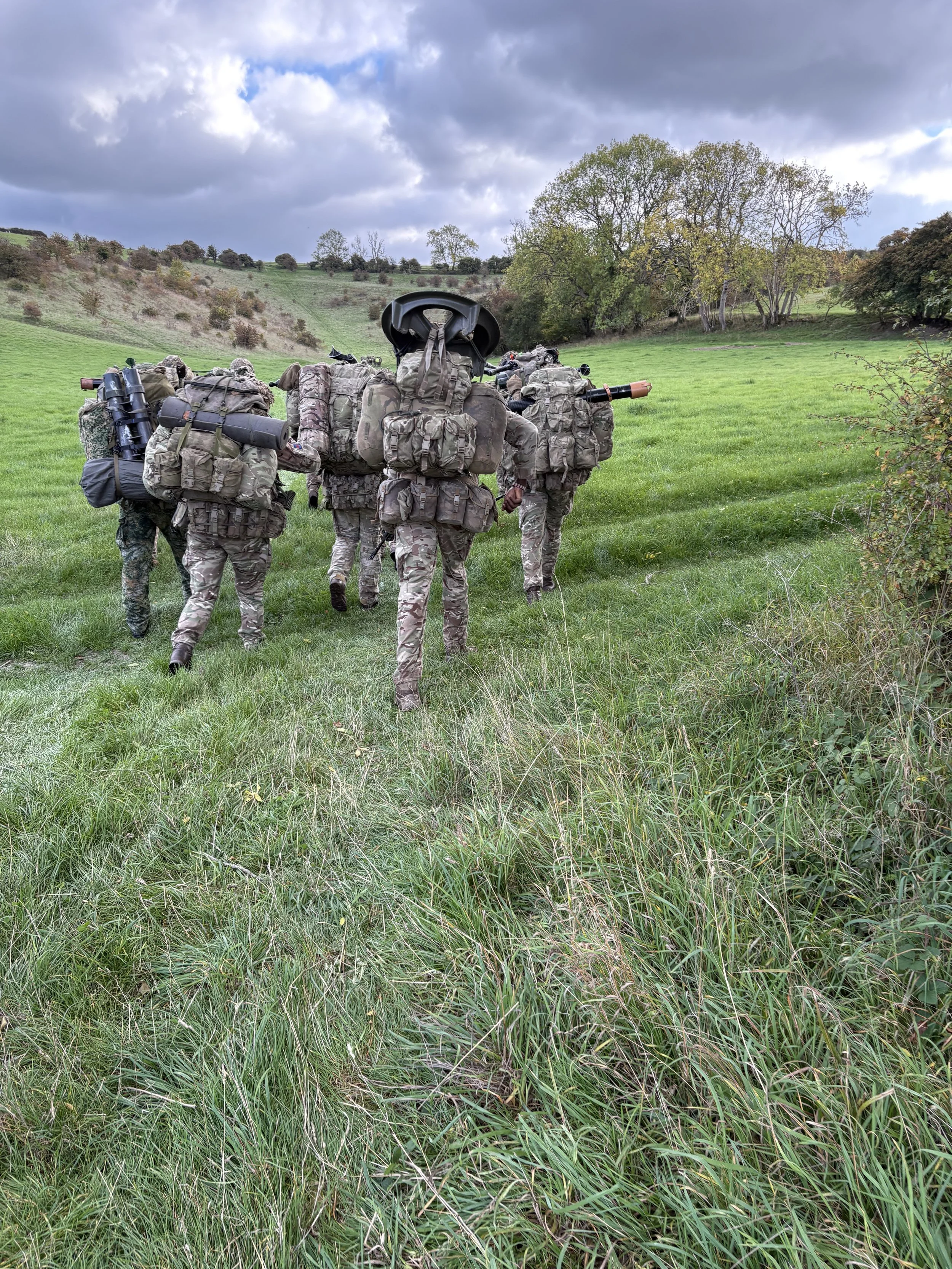
Developing a base for Load Carriage
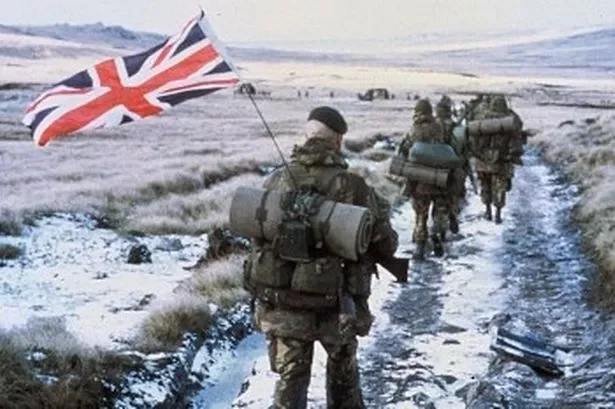
Carrying weight is a fundamental component of military operations, and in turn is required for all arduous military courses.
In order to reduce the risk of injury and optimise performance it is essential to build a strong foundation of strength and aerobic capacity.
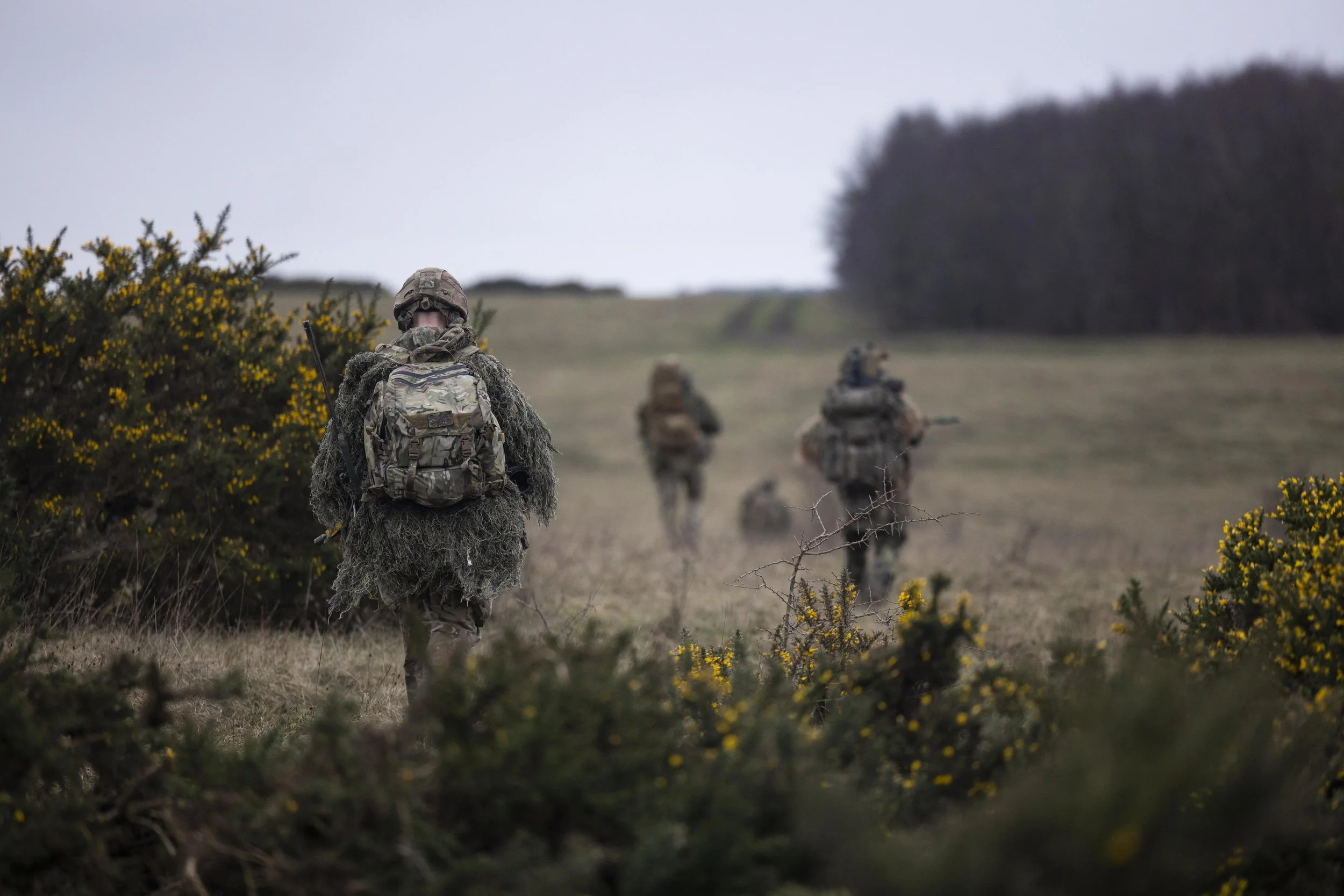
How Often Should You Carry Weight in Military Training?
For soldiers, load carriage is an inescapable part of the job and it generally sucks, no matter how fit you are. Whether it's training, field exercises, or on operations, carrying weight over long distances is a critical military task. But as essential as it is, load carriage is also one of the most physically demanding and injury-prone activities soldiers undertake.
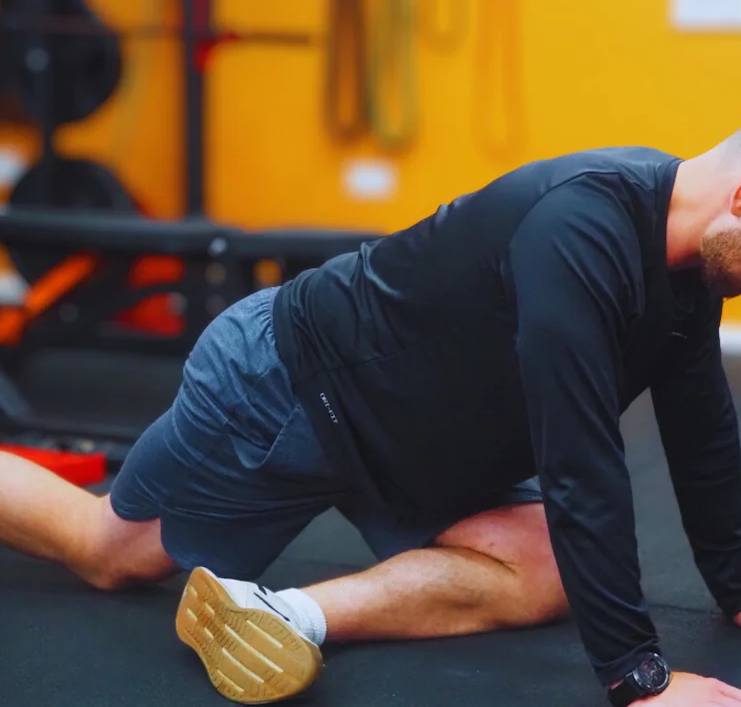
How To Avoid Overtraining
When it comes to fitness, there’s a fine line between working hard and working too hard. Many motivated people fall into the trap of thinking “more is better,” pushing themselves through every session without adequate recovery or structure. Over time, this can lead to overtraining.
If you’re feeling constantly sore, tired, or stuck in a plateau, your issue might not be effort, it might be how you're managing your training load.
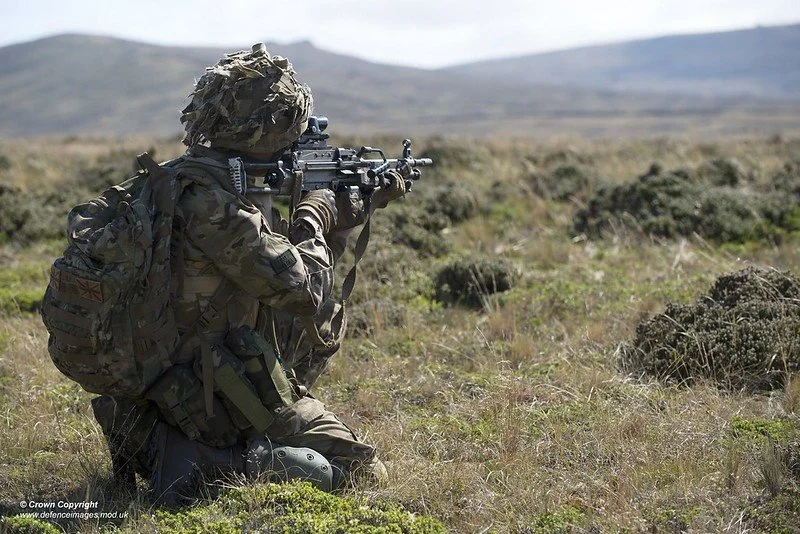
Developing the Tactical Athlete
Times have changed since soldiers just ran and carried weight. Most Militaries now look at a more well rounded approach to physical training. This shift has given rise to the concept of the “tactical athlete": a soldier whose physical capabilities are purpose built to meet the unique challenges of military operations. Developing a tactical athlete requires an evidence based approach that focuses not just on fitness for fitness’s sake, but on building strength, endurance, resilience, and mobility in a way that enhances operational performance and reduces injury risk.
The Importance of Mental Resilience
Military training is designed to push individuals to their limits physically, mentally, and emotionally. For British Army personnel, especially those attending arduous courses like P Company, Commando Course, or Selection this pressure is not accidental. That's the point. But while physical fitness often gets the spotlight, it's often mental resilience that separates those who pass from those who fall short.

How to Balance Lifting and Conditioning: A Smarter Approach for Everyday Athletes
One of the biggest challenges for military personnel is balancing lifting and conditioning in the same programme and balancing them effectively. Too much cardio may lead to a lack of strength development and muscle growth. Too much lifting without conditioning will leave you unable to perform your job. It is important to train both as they are both essential for military personnel and will compliment each other if done correctly.
The Unique Demands of Military Physical Preparation
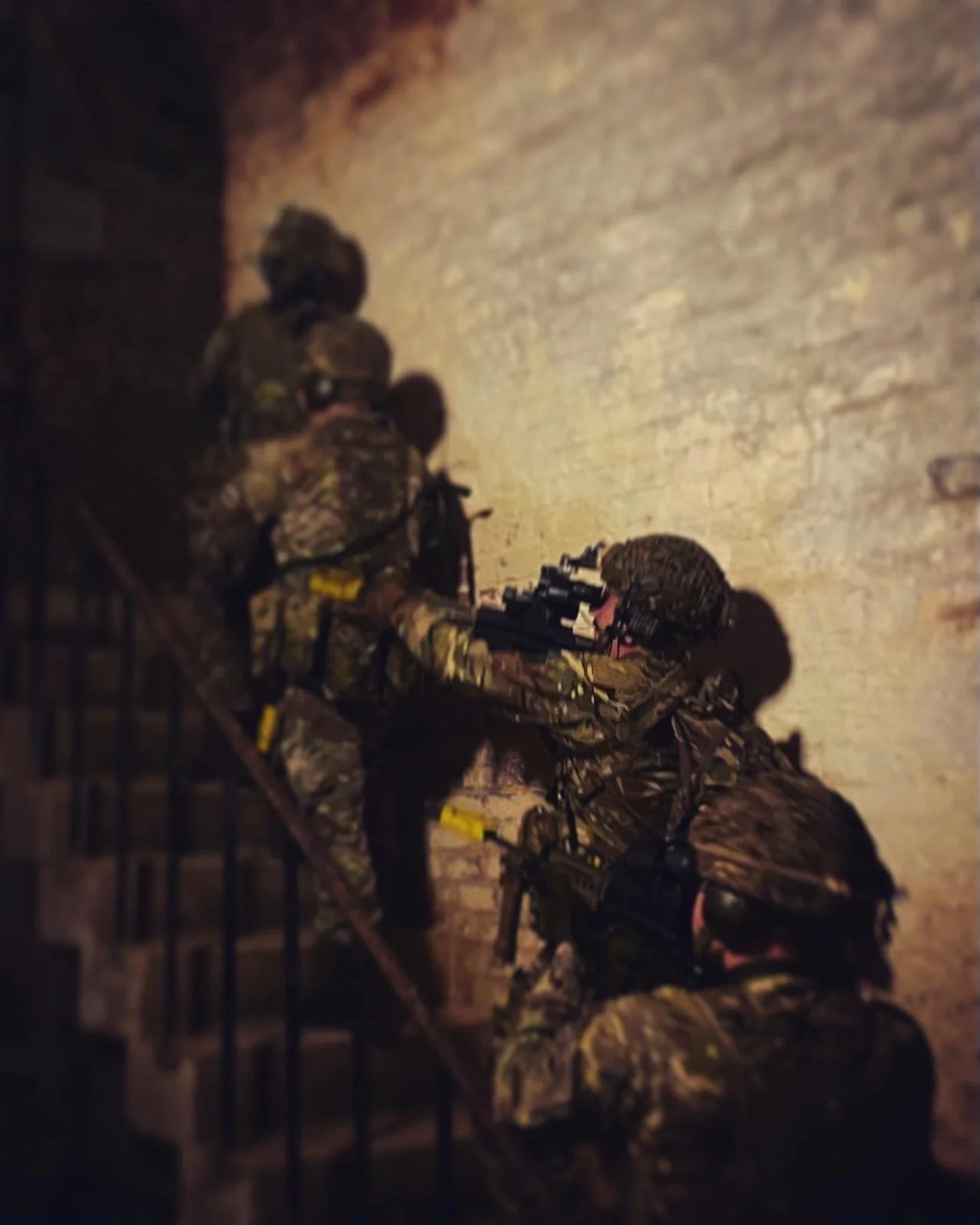
Physical training for soldiers is unlike any other training. While civilian fitness often focuses on specific outcomes focused on one physical quality such as speed or endurance. Whereas military training must prepare soldiers for an array of different possibilities.
This means that preparing a soldier physically is not about excelling in one area, it's about being good at everything but also avoiding overuse injuries. These unique demands create a challenging way of programming.